
In a busy lifestyle, many people may not get enough essential nutrients from their daily diet which affect their overall health. Omega 3 benefits have gained attention because these fatty acids support several important functions in your body. In this guide we’ll make you understand the types of omega 3 fatty acids, its key benefits for hair, skin, and overall health, and the main sources of omega-3.
What are the types of omega-3?
Omega 3 fatty acids are divided into 3 main types which include:
- Docosahexaenoic acid (DHA):
It’s found mainly in fatty fish, fish oil, and algae-based sources. It’s essential for your brain and nervous system. - Eicosapentaenoic acid (EPA):
It’s mainly found in fish oil and fatty fish. It plays an important role in supporting heart health and regulating inflammatory processes in your body. - Alpha-Linolenic acid (ALA):
It's a plant-based omega-3 fatty acid that’s found mainly in flax seeds and chea seeds. Your body can convert this type into EPA and DHA.
What Are the Key Omega 3 Benefits?
Omega-3 fatty acids provide a wide range of health benefits, as they are involved in many essential functions throughout the body. Here are some of the most important omega 3 benefits in detail.
Omega 3 Benefits for Women
Omega 3 fatty acids can provide several benefits for women including:
- Supporting hormonal balance and normal body functions.
- Relieving menstrual symptoms such as severe cramps and pain.
- Helping promote a more balanced mood and reduce feelings of stress.
Benefits for Pregnant Mom and Fetus
Getting enough omega 3 during pregnancy is essential in:
- Reducing the risk of premature birth.
- Supporting a healthy mood during pregnancy.
- Supporting the development of the fetus’s nervous system and vision.
- Reducing the risk of pregnancy complications including high blood pressure.
Omega-3 Benefits for Skin
Many women are interested in omega 3 benefits for skin, as it’s an important part of their overall appearance. Omega 3 fatty acids may help:
- Support skin elasticity and promote a healthier-looking face.
- Enhance skin’s natural glow and overall appearance.
- Support skin hydration and help prevent excessive dryness.
- Help maintain a youthful appearance.
- Reduce inflammation that contributes to certain skin problems like acne.
Omega 3 Benefits for Hair
Omega-3 fatty acids may also contribute to healthier, stronger-looking hair by:
- Supporting the health of the scalp.
- Nourishing hair follicles from within.
- Supporting hair thickness, strength, and natural shine.
- Helping reduce scalp dryness, inflammation, and dandruff.
- Acting as a comprehensive approach to haircare routine with biotin supplement which helps support hair growth and thickness.
Related articles: Biotin Benefits for Women: Everything You Need to Know
What Are the Benefits of Omega 3 for Men?
The key benefits of omega 3 for men include:
- Lowering triglyceride levels.
- Contributing to better cardiovascular health.
- May support male fertility and contribute to physical performance and overall cognitive function.
Omega-3 Benefits for Children
Omega 3 is also important for child growth and development, its benefits for children include:
- Supporting healthy physical growth and immunity.
- Contributing to health brain development.
- Promoting healthy mental development.
- Supporting child memory and concentration.
Omega 3 Benefits for Memory and Brain Health
Omega 3 benefits for memory and brain health include supporting concentration, attention, and memory. Regular intake of omega-3 also helps support brain health as people age, as it reduces the risk of age-related decline.
Symptoms oF Omega-3 Defeciency
Omega-3 deficiency symptoms may not be obvious in every case and can’t confirm omega-3 deficiency alone. However, signs of omega-3 deficiency include:
- Persistent fatigue and low energy.
- Weak, dull-looking hair along with a dry scalp.
- Sudden memory difficulties and problems with attention.
- Dry skin accompanied by reduced elasticity and loss of natural radiance.
- In case of severe deficiency, recurrent rashes may occur.
Risks of Omega-3 Deficiency
Getting sufficient amount of omega 3 is essential for supporting normal body function and avoiding omega-3 deficiency risks which include:
- Dry, flaky skin, and skin rashes.
- Dull and weak hair followed by hair loss.
- Lower levels of EPA and DHA fatty acids.
- Eye and vision problems.
- Bad effect on brain and nervous system.
- Potential concerns during pregnancy.
- Insufficient fatty acids for cell membranes.
Main sources of omega 3
Omega-3 fatty acids can be obtained from different sources, including natural occurring foods and dietary supplements:
1.Natural Food Sources of Omega-3
Natural foods are one of the most common ways to include omega 3 in your daily diet, the main dietary sources include:
- Fatty fish such as salmon, sardines, and mackerel.
- Plant-based sources such as flaxseeds, chia seeds, and walnuts.
- Omega-3 fortified food such as egg, yogurt, and milk.
2.Omega 3 supplements
Omega-3 supplements are the best choice for those who can’t get omega 3 from a natural diet, supplements are available in different forms and concentrations depending on the type and amounts of fatty acids they provide.
Vee omega 3 capsules by Veexia provide you a convenient source of essential omega-3 fatty acids. Choosing a high-quality supplement with clear levels of EPA and DHA will help you obtain your body needs, so you can get various omega 3 benefits.
How to Choose the Best Omega 3 Supplements?
After exploring omega 3 benefits, choosing the best supplements is a must. There’re several factors that should be considered such as:
- Focus on actual EPA and DHA content rather than total fish oil content.
- Trusted manufacturer and reputable company that follows quality standards.
- Clear labels that determine the amount of omega-3 and its individual fatty acids.
- Look for a powerful antioxidant like vitamin E that can help protect fatty acids from oxidation.
You can also read: The Power of Glutathione: When Body Wellness meets Radiant Skin
Why Choose Vee Omega-3 for Your Daily Wellness?
Vee Omega-3 capsules by Veexia offer carefully designed formula with several features that make them suitable for daily use, including:
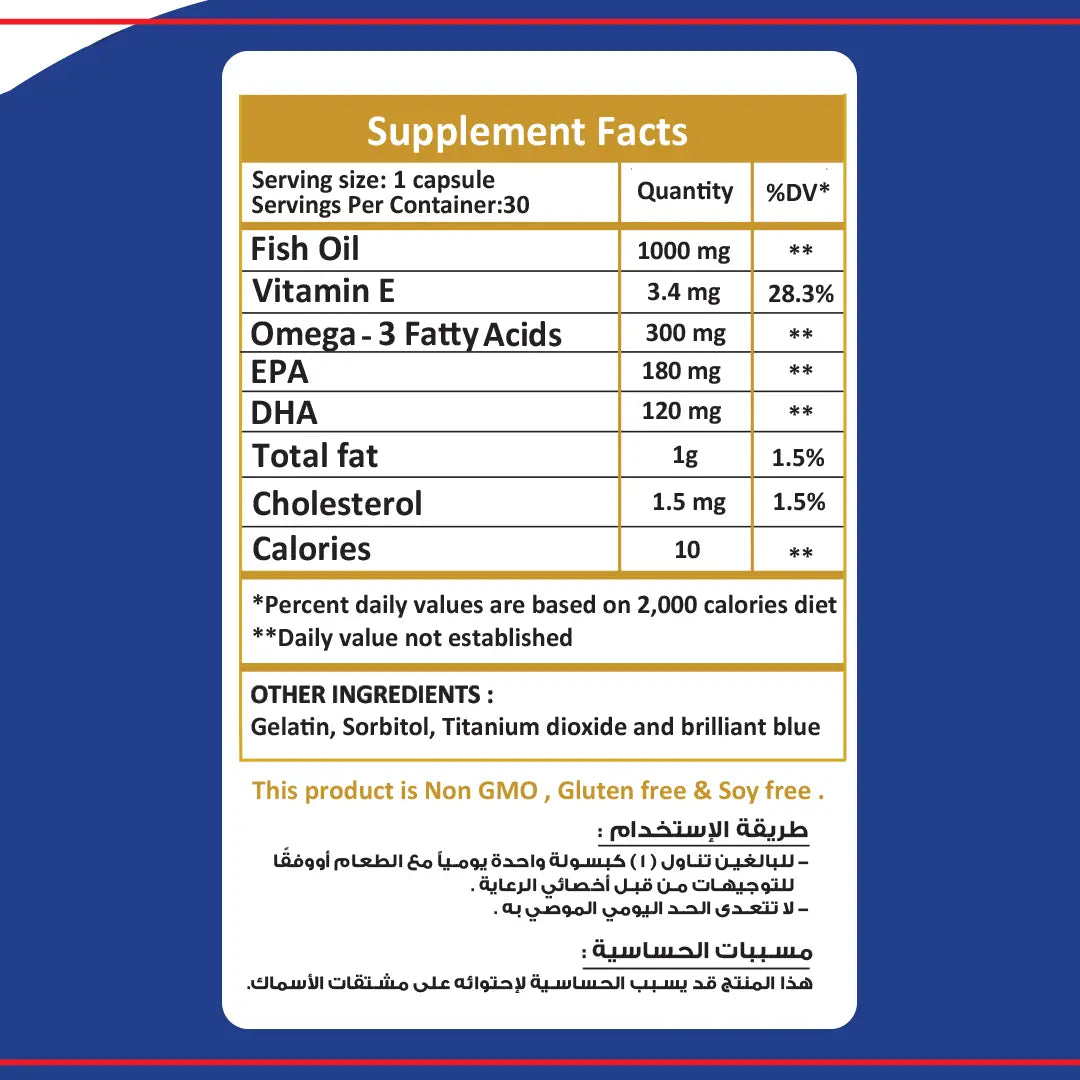
- Each capsule contains 180 mg 0f EPA and 120 mg of DHA, providing you a total of 300 mg of EPA and DHA (30% of 1000 mg fish oil).
- Small and soft gel capsules that are designed to be easy to swallow and convenient for daily use.
- Transparent formula is fortified with vitamin E, an antioxidant that helps protect fatty acids from oxidation.
- Capsules are designed without an unpleasant taste which helps address one of the most common concerns of fish oil supplements.
- Veexia provides a high-quality, advanced omega 3 formula at a comprehensive price compared with other supplements.
Omega 3 Side Effects.. How to Avoid them?
Although omega 3 benefits for your body wellness, it may cause unwanted side effects when taken in excessive amounts, these may include:
- Digestive disorders such as nausea, diarrhoea, and bloating.
- Unpleasant aftertaste because of fish oil.
- Heartburn if you take your capsule without a meal.
- Increased risk of bleeding, as high doses of omega-3 may affect blood clotting.
How to Avoid Omega-3 Side Effects?
You can avoid omega-3 side effects by following recommended dosage, and try to take your supplement with a meal. Also consult your doctor before using high doses for a long period.
Understanding omega 3 benefits and choosing the right source can help you get the most of these essential fatty acids. Veexia offers you a convenient, high-quality formula with clearly defined EPA and DHA levels, making this supplement an excellent choice for your hair, skin, and body wellness.
FAQ..
What are the signs you need omega-3?
Signs of inadequate omega 3 intake may include dry skin, brittle hair, fatigue, memory and concentration difficulties.
Is omega-3 good for skin?
Omega-3 can support skin health by helping maintain hydration, elasticity, and natural skin barrier. Also it reduces inflammation.
How much omega 3 per day?
The common dose for adults is 250-500 mg EPA and DHA per day, it may vary depending on age and individual needs.
Best time to take omega 3?
Omega 3 is best taken after a meal containing healthy fats, as this can improve its absorption.
Resources..