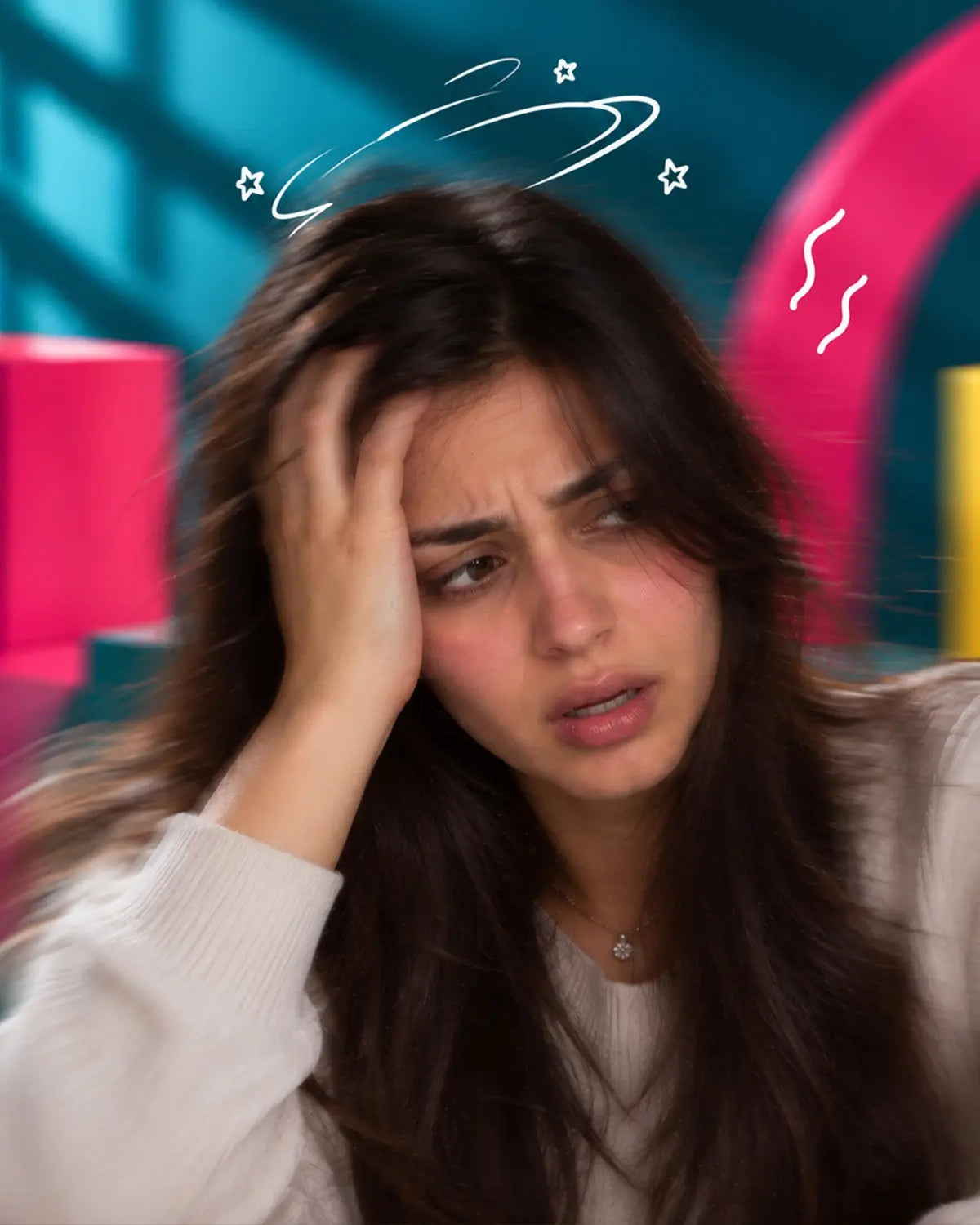
Feeling tired all the time, noticing unusual hair loss or struggling with low energy? These signs look like iron deficiency symptoms in women which affect overall health and daily life. As iron plays a vital role in your body, follow this guide to understand how to diagnose this case, its common signs and how to treat it.
What’s Iron Deficiency?
Iron deficiency occurs when your body iron stores become too low to meet your needs. As iron is essential for producing haemoglobin in red blood cells that carries oxygen from lungs to the tissues throughout the body.
Low iron levels can affect oxygen delivery to tissues and may lead to severe iron-deficiency (Anemia) if left untreated, it’s a common condition that affects females.
Iron Deficiency Symptoms in Women
Iron deficiency symptoms in women can affect overall health, skin appearance, and hair growth. Recognizing these symptoms really can help women find appropriate medical treatment, they include:
1.General Fatigue and Low Energy
Low iron levels reduce hemoglobin, limiting oxygen delivery to body tissues and muscles. This lack of oxygen causes persistent lack of energy and general fatigue. Everyday tasks feel much harder to achieve as usual.
2.Dizziness and Lightheadedness
A shortage of iron reduces the flow of oxygen-rich blood to the brain. This can trigger frequent dizziness and lightheadedness, especially when you stand up quickly. These unexpected spells may disrupt normal daily activities.
3.Pale Yellowish Skin
Decreased hemoglobin levels reduce RBCs near the skin’s surface, causing a loss of natural color. The skin often looks unusually pale and yellowish. This change is usually visible on your face, lips, and inner eyelids.
4.Excessive Hair Loss
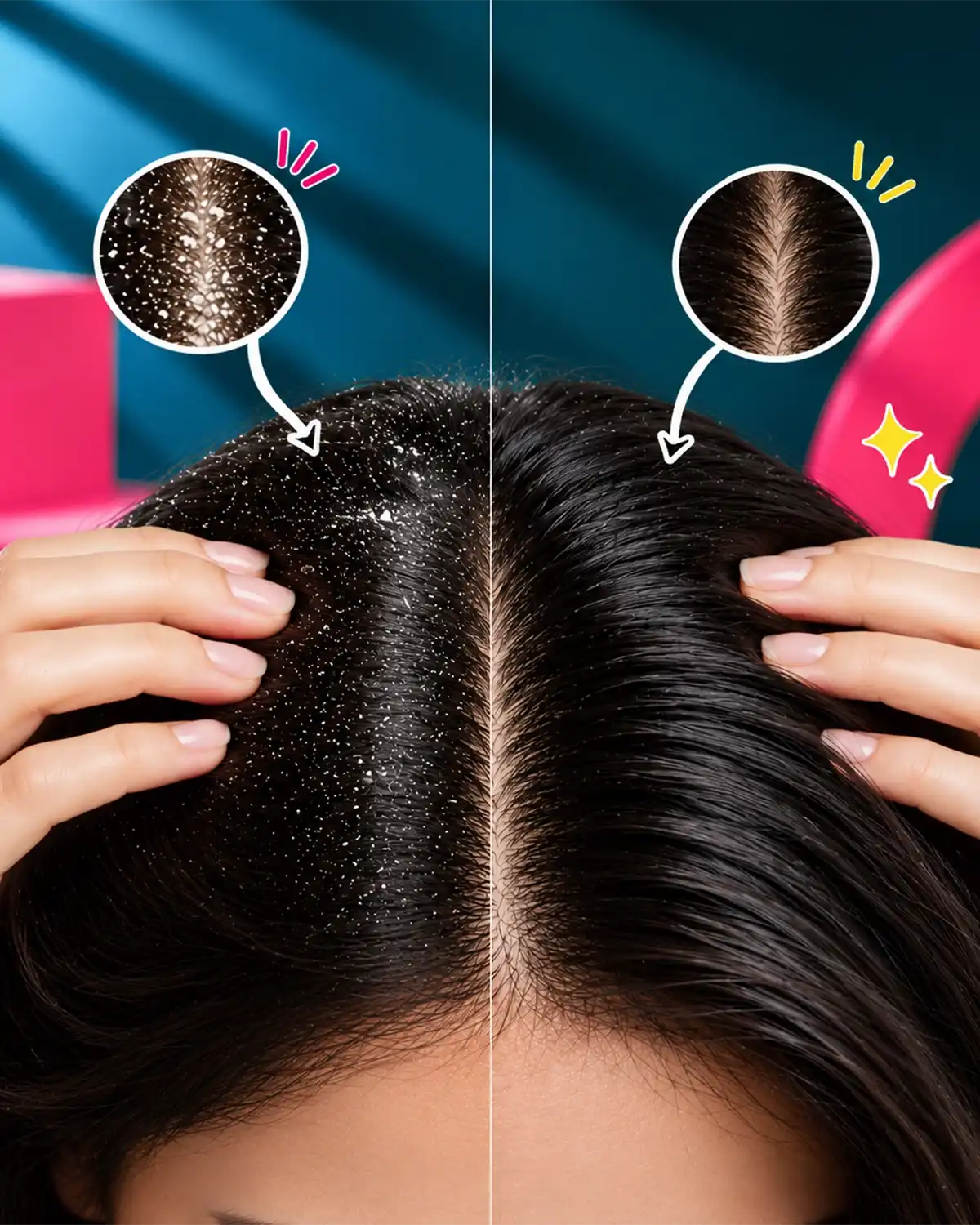
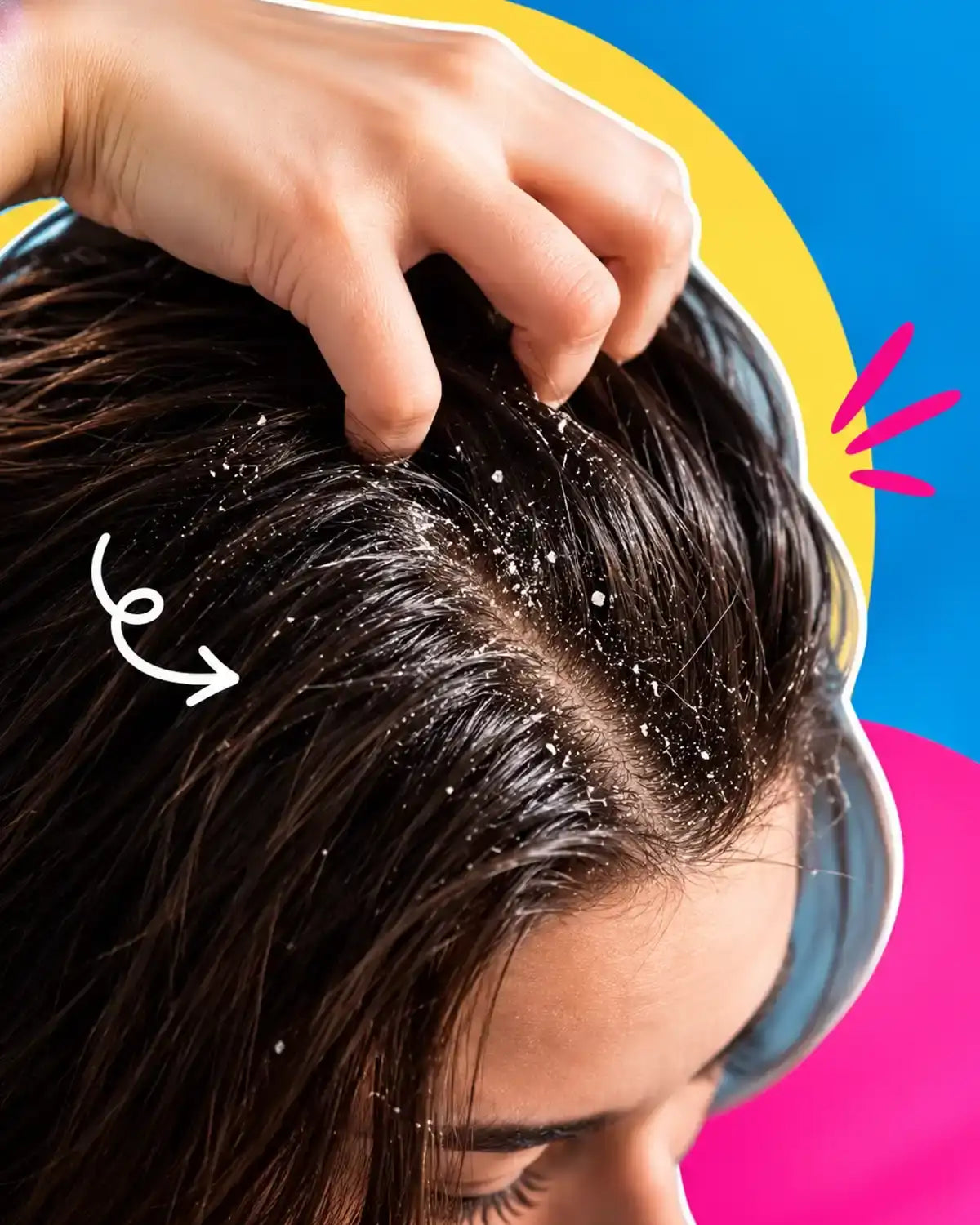
Iron deficiency is one of the common causes of excessive hair loss as hair follicles need a steady supply of oxygen to maintain healthy growth and strength. When iron stores drop, strands weaken and fall out more easily during washing or brushing.
5.Fragile and Brittle Nails
Nail health relies on proper cellular oxygenation, which drops during iron storage. Women often notice their nails becoming fragile, peeling, or splitting under minimal pressure.
6.Heavy Menstrual Periods
Heavy menstrual periods are considered from the common iron deficiency symptoms in women. As losing large amounts of blood-rich blood depletes bodily stores faster than a regular diet can replace them.
This creates a challenging cycle where heavy bleeding and deficiency feed into each other.
7.Mood Changes
Iron is essential for producing neurotransmitters that regulate emotional stability and focus. Its deficiency can disrupt these neural pathways causing sudden irritability, anxiety, and mood changes.
Related articles: Which Vitamin Deficiency Causes Hair Loss?
Common Symptoms of Iron Deficiency Anemia
Iron deficiency can affect both men and women, causing common symptoms that may interfere with their daily activities, which include:
- Cold hands and feet.
- General weakness and fatigue.
- Dizziness and persistent headache.
- Dry mouth and inflammation of tongue.
- Heart palpitations with rapid heartbeats.
- Shortness of breath during physical activity or walking for short distances.
- Persistent craving to eat non-food substances, such as ice or soil, a condition known as Pica.
How to Diagnose Iron Deficiency?
Diagnosis requires more than recognizing iron deficiency symptoms in women, it involves medical evaluation and blood tests to indicate iron levels and body stores.
Your doctor usually begins with a complete blood picture CBC and ferritin test to measure stored iron. Additional tests may be needed depending on your condition to confirm diagnosis and guide for appropriate treatment.
Causes of Iron Deficiency Anemia in Women
Understanding the causes of iron deficiency is the first step toward lasting health. Several factors routinely put females at higher risk of deficiency:
- Restrictive diets and following unbalanced weight loss plans often strips your body of vital iron sources.
- Heavy menstrual cycles which cause substantial loss of blood each month, draining iron reserves faster than standard food intake.
- Gastrointestinal blood loss because of ulcers or inflammation which gradually depletes iron stores.
- Repeated pregnancy and lactation, as supporting fetus and milk production requires massive amounts of iron.
- Digestive absorption disorders like celiac disease or inflammatory bowel issues that impair the gut’s ability to extract and absorb iron.
Iron Deficiency Anemia Treatment
Iron deficiency in women can be treated by different ways depending on the severity of deficiency:
1.Iron Supplements
Once iron deficiency symptoms in women appear and diagnosis confirms low iron levels, doctors recommend iron supplements which are among the most common treatments for anemia.
Managing iron deficiency cases starts by choosing the right iron supplement Vee Ferro which fulfils your individual needs. It offers several benefits, including:
- Liposomal iron technology that helps improve iron absorption without gastrointestinal discomfort.
- Essential minerals for additional support, as it contains 1000 mcg of copper and 12 mg zinc alongside iron.
- Enriched with folic acid and vitamin B12. and vitamin B6 which support essential processes in your body.
- Supports RBCs production by combining iron with folic acid, it helps address nutritional needs associated with iron deficiency.
- Support during periods of increased iron requirements, as Vee Ferro helps meet your needs during heavy periods, pregnancy, and recovery after surgery when iron requirements may increase.
2.Intravenous Iron Therapy
Some cases of severe iron deficiency, especially when progressed to anemia, a doctor may recommend intravenous iron therapy if you:
- Don’t respond adequately to oral iron treatment or diet.
- Have a medical condition that interferes with iron absorption.
- Can’t tolerate oral iron supplements because of gastrointestinal disorder.
- Need iron treatment under medical supervision due to severity of iron deficiency.
3.Iron-Rich Diet
Dietary changes can help prevent iron deficiency symptoms in women especially in mild cases. A balanced diet that includes iron-rich foods can help replenish iron stores, and maintain healthy iron levels.
What Are the Best Iron-Rich Foods?
Several foods can provide you iron and support your requirements when included in a balanced diet, these include:
- Cooked liver and red meat.
- Legumes as lentils and beans.
- Certain types of fish and seafood.
- Nuts and seeds like pumpkin and sesame seeds.
- Leafy green vegetables like spinach and arugula.
- Certain whole-grain products, and fortified cereals.
You can also read: Biotin Benefits for Women: Everything You Need to Know
How to Prevent Iron Deficiency in Women?
Beyond understanding the Iron deficiency symptoms in women and ways of treatment, adopting targeted preventive measures is vital for maintaining optimal health:
1.Maintain a Balanced Diet
Eat a variety of iron-rich foods everyday, including both meat and plant sources. This helps maintain a healthy supply of iron in your body. It also keeps your skin, hair, and overall energy in top condition.
2.Iron Intake With Vitamin C
Vitamin C helps your body absorb iron more effectively. Try adding oranges or strawberries to your iron-rich meals. This simple habit maximizes the benefits of the food you eat.
3.Moderate Tea & Coffee Consumption
Tea and coffee contain natural compounds that can block iron absorption. To prevent this, avoid drinking them during or after meals to protect your iron levels.
4.Manage Heavy Periods
Heavy periods cause significant blood loss, which drains your body’s stored iron. You can replace this lost iron through iron supplements and an iron-rich diet. If your periods are abnormally heavy, consult a doctor.
5.Schedule Diagnostic Testing
If you notice iron deficiency symptoms in women like fatigue with hair loss, get a quick blood test. Checking your ferritin and hemoglobin levels helps treat iron deficiency early.
Never ignore iron deficiency symptoms in women. Seek medical advice and effective treatment early for anaemia. Veexia offers you high quality nutritional supplements to support your overall health and well-being.
FAQ..
Does iron deficiency cause hair loss?
Iron deficiency can cause hair loss when there’re no underlying genetic or hormonal issues. This case can be managed by iron supplements with topical hair products.
When should you worry about iron deficiency?
You should worry about iron deficiency if its stores remain low despite ongoing treatment. Also when you suffer from chest pain, shortness of breath and fainting.
What’s the difference between iron deficiency & aneamia?
Anaemia is a more advanced and severe stage of iron deficiency, where hemoglobin levels drop and blood can’t carry enough oxygen to your body cells.
Resources..