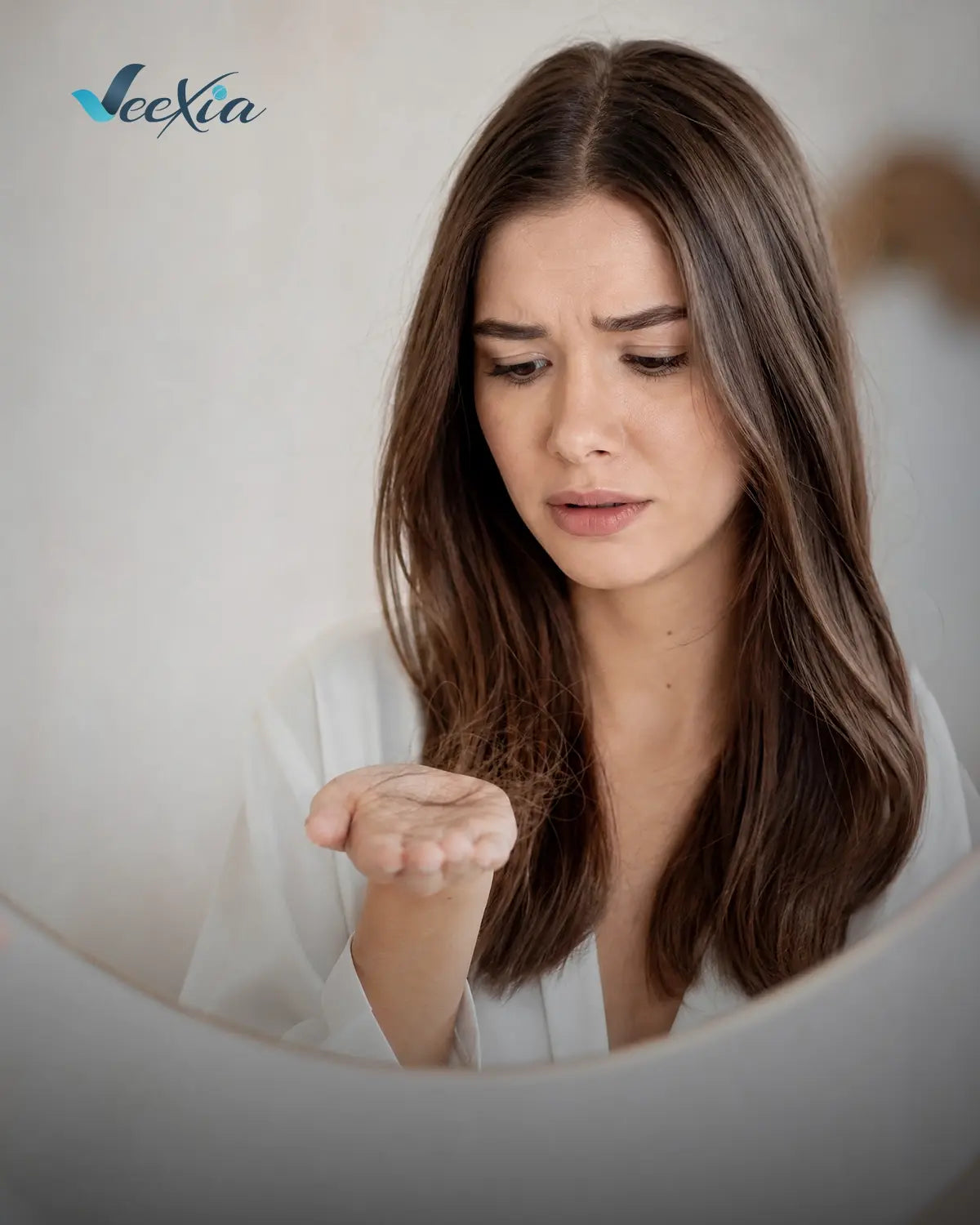
What are the causes of excessive hair loss? It’s a common concern that may affect both men and women at different stages of life. Noticeable hair shedding may indicate that something is affecting the normal hair growth. In this guide we’ll understand the main causes of excessive hair loss and top tips for preventing hair loss.
The Concept of Excessive Hair Loss
Excessive hair loss refers to shedding more than usual (>100 hairs per day) often resulting in noticeable thinning of hair or visible areas of the scalp. It may occur temporarily or persist over time, depending on the underlying cause.
Understanding what excessive hair loss means and how it differs from normal daily shedding helps you recognize the problem early and follow the suitable hair loss remedies.
What Are the Causes of Excessive Hair Loss?
The causes of excessive hair loss vary from one case to another depending on several factors, health conditions, and lifestyle habits which include:
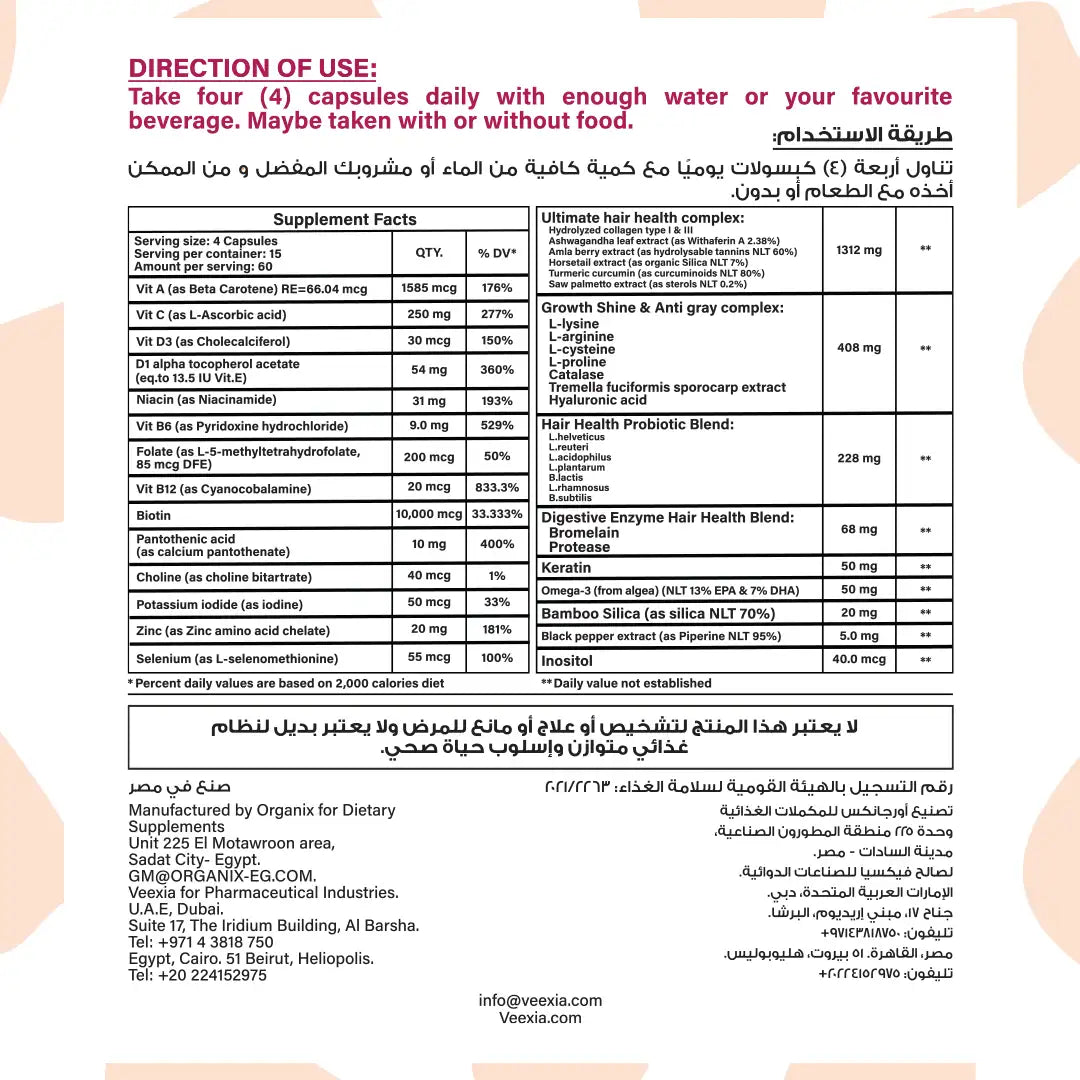
Poor Nutrition and Restrictive Diet
Healthy hair growth depends on adequate protein, vitamins, and essential minerals, so poor nutrition or following a restrictive diet can deprive hair follicles of the nutrients they need, leading to weaker hair and increased shedding.
Hereditary Hair Loss
Genetics can play a major role in hair loss. Some people inherit weak hair follicles that develop thinning and hereditary hair loss over time.
Hormonal Changes
Hormonal imbalance can affect normal hair growth cycle, especially during certain stages of life. The effect of these changes varies from case to another and may lead to temporary noticeable hair loss.
Nutrient and Vitamins Dificiencies
A deficiency in essential nutrients can affect hair growth and density. Also low levels of some vitamins such as vitamin D and B complex may cause increased hair shedding and weaker hair.
Thyroid Disorders
Thyroid hormones are in several important body functions including normal hair growth cycle. Both Hypothyroidism and overactive thyroid can interfere with hair growth and cause excessive shedding.
Stress and Sleep Disorders
Prolonged stress and sleep disorders can disrupt hair growth cycle and trigger a type of hair loss called Telogen Effluvium. There’s also a behavioral disorder called Trichotillomania, in which a person repeatedly pulls out their hair leading to hair loss.
Some Diseases and Health Conditions
Some autoimmune diseases such as Alopecia Areata may cause severe hair loss, as well as some chronic digestive conditions may interfere with proper nutrient absorption.
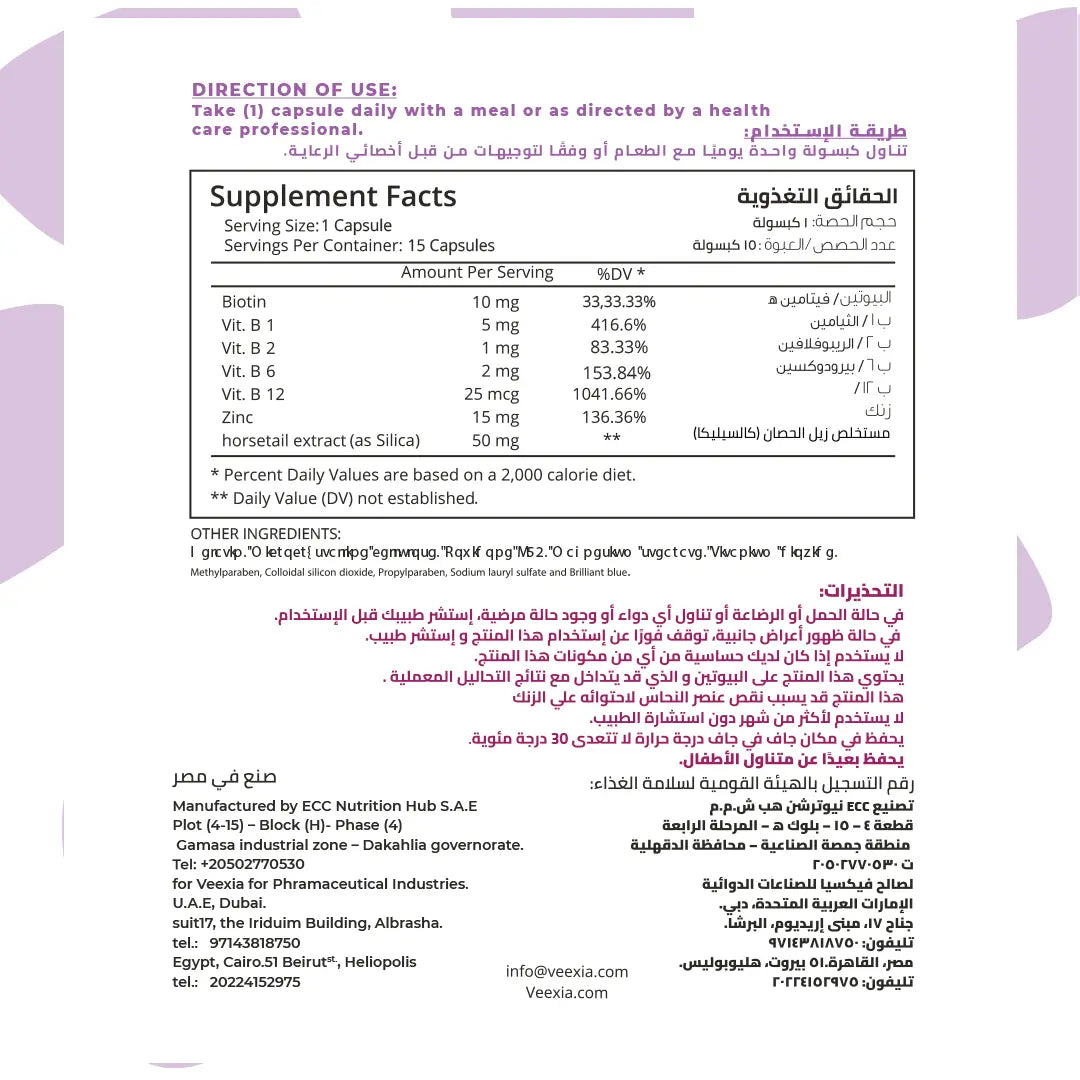
Scalp Problems
Recurring scalp inflammation, dandruff, and certain skin problems may negatively affect hair health and increase shedding.
Improper Haircare Habits
Excessive use of chemical treatments, frequent hair styling ,and tight hair styles may weaken hair causing hair loss. Constantly pulling your hair may also cause traction alopecia.
Causes of Excessive Hair Loss in Girls
The main causes of hair loss in girls include:
- Hormonal changes during puberty.
- Polycystic ovary syndrome PCOS.
- Iron deficiency because of menstrual periods.
- Excessive stress caused by academic pressure.
- Frequent use of hair straighteners, dyes, and tight hair styles.
Causes of Excessive Hair Loss in Women
For women, hair loss is linked to specific stages throughout life, such as:
- Repeated pregnancies followed by nutritional deficiency.
- Hormonal changes during and after menopause.
- Breastfeeding that’s combined with inadequate nutrition.
- Postpartum hair loss, it’s one of the main causes of heavy shedding in women.
Causes of Excessive Hair Loss in Men
The most common causes of excessive hair loss in men include:
- Chronic stress.
- Male baldness and hereditary factors.
- Androgen-related hair loss.
- Age-related hair loss.
- Increased sensitivity of hair follicles to DHT hormone.
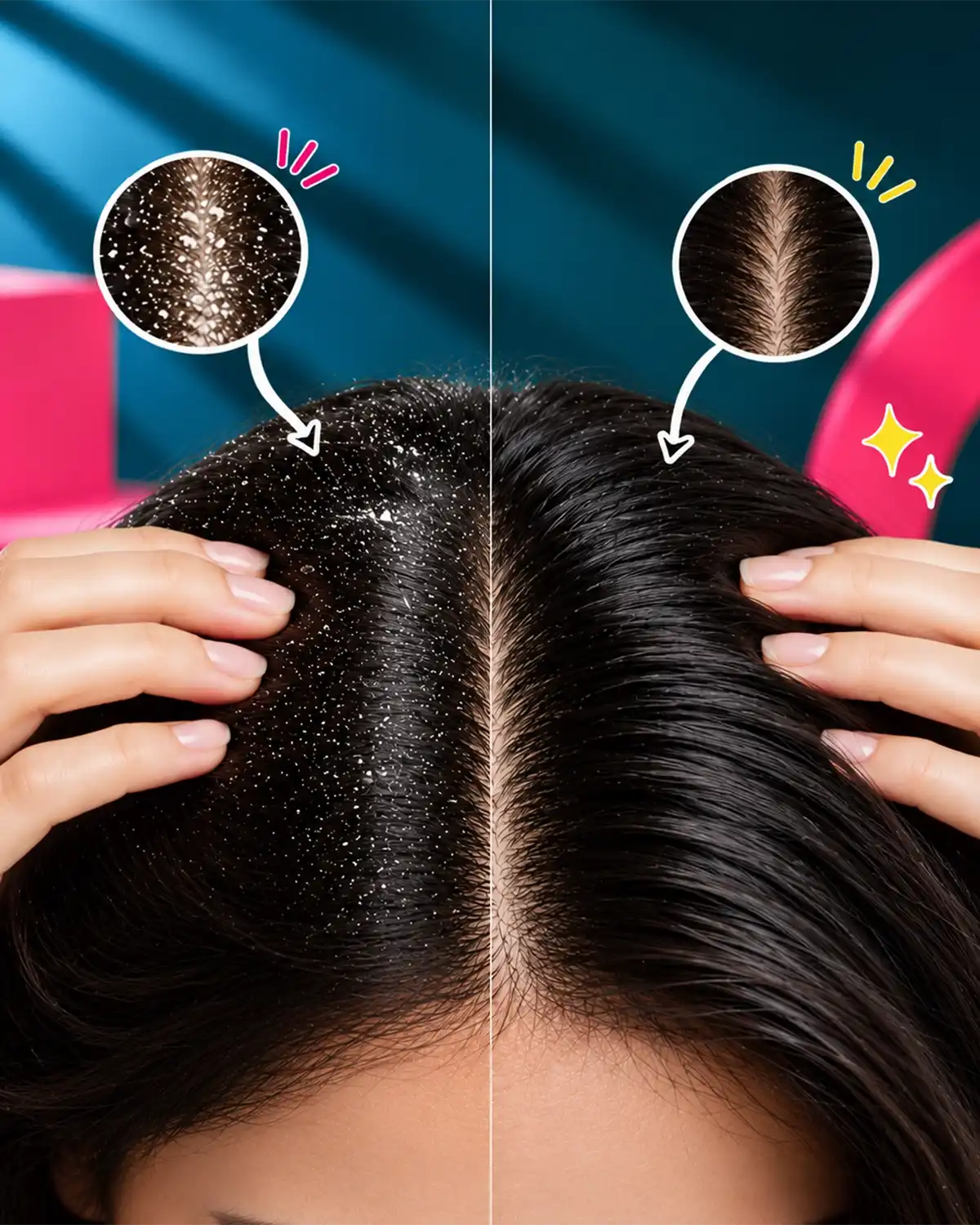
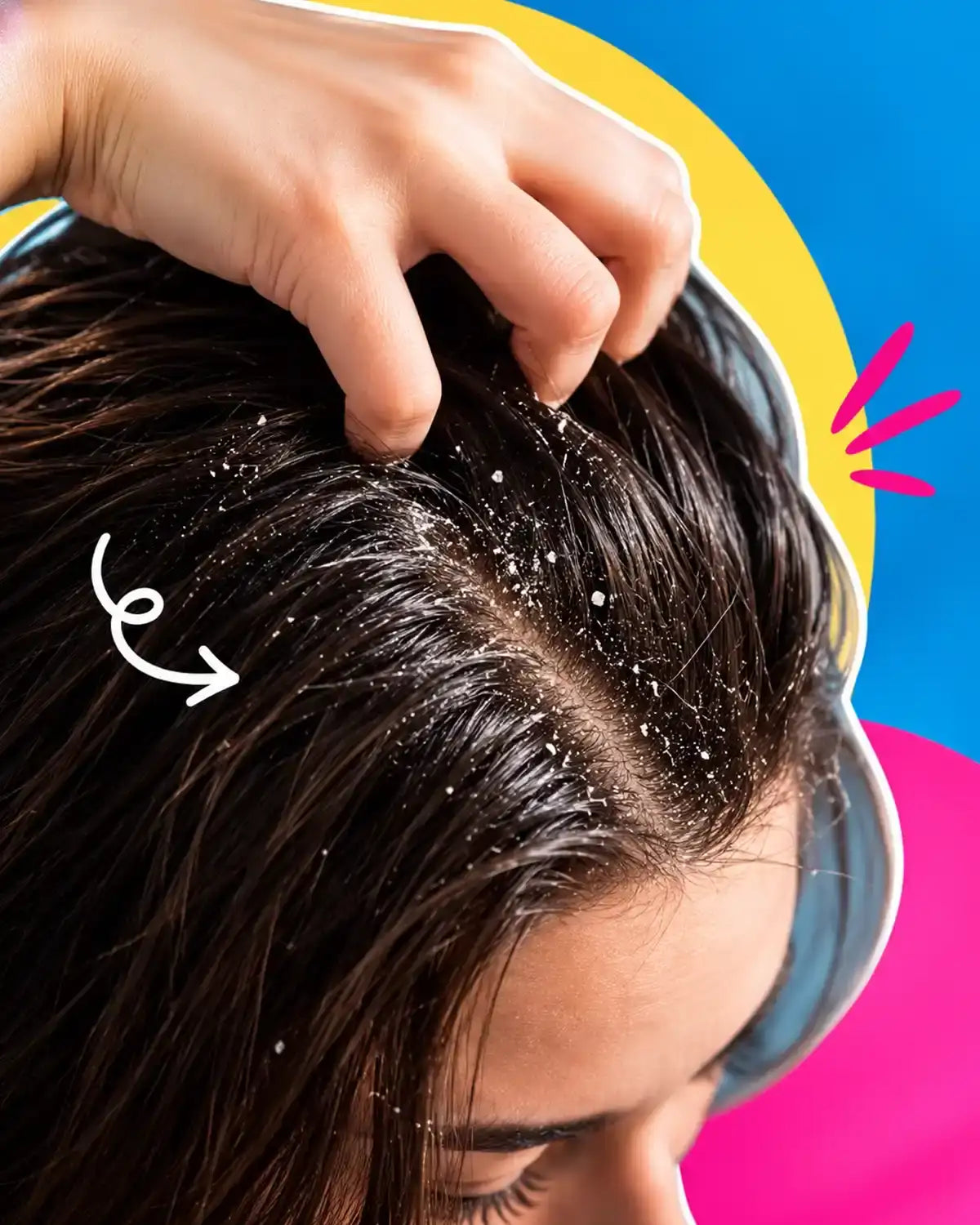
Does Dandruff Cause Hair Loss?
Dandruff doesn’t usually cause hair loss directly. However, it can affect the health of the scalp and cause itching, irritation, and inflammation. Frequent scratching may damage the scalp and contribute to hair breakage or increased shedding.
For this reason, treating dandruff and maintaining a healthy scalp can help reduce factors that may worsen hair loss.
Preventing Hair Loss
After understanding what are the causes of excessive hair loss, you should follow healthy lifestyle and hair care habits that help you prevent hair loss:
1.Maintain a Balanced Diet
A balanced diet provides the nutrients needed for healthy hair growth. Include enough protein, iron, zinc, vegetables, fruits, and whole grains in your meals.
2.identify any Nutritional Deficiencies
Certain nutritional deficiencies can contribute to excessive hair shedding. Medical tests can help identify whether you are lacking essential nutrients and which vitamin deficiency causes hair loss.
3.Support your Hair With Essential Vitamins
Iron, vitamin D, biotin benefits for women, and zinc are among the nutrients that may be linked to hair loss when deficient. Biotin deficiency can also cause hair loss, although it’s uncommon with a balanced diet.
4.Avoid Rapid Weight Loss
Rapid weight loss and a restrictive diet can deprive the body of essential nutrients. This may interfere with the normal hair growth cycle and increase shedding. Losing weight gradually while following a balanced diet is a healthier approach.
5.Reduce Heat and Chemical Treatments
Frequent heat styling, hair dyes, and chemical treatments may weaken your hair shaft and increase breakage. Try to limit these treatments and avoid excessive heat to reduce hair damage.
6.Protect Your Hair and Scalp from Damage
Try to handle your hair gently when washing, brushing, and styling, especially when it’s wet. Avoid tight hair styles, and always keep the scalp healthy without dandruff to support healthy hair growth.
7.Manage Stress and Anxiety
Prolonged stress may affect hair growth cycle and contribute to increased shedding, so getting enough sleep, exercising, and relaxation can support your overall health. Managing stress may also help protect hair health.
8.Know When to Seek Professional
Persistent hair loss even with medical treatment should be evaluated by a dermatologist. Medical advice is important if you notice significant thinning or scalp patches. Identifying the causes of hair loss can help you start the appropriate treatment.
Understanding what are the causes of hair loss can help you identify the underlying problem, choosing the right treatment, and taking effective steps to prevent further hair loss and maintain stronger and healthier hair in the long term.
FAQ
What is the main cause of excessive hair loss?
The main common cause of excessive hair loss is hereditary or genetic hair loss which’s known as Androgenic Alopecia that affect both men and women.
What blood test is done for hair loss?
Common blood tests that are done for hair loss include complete blood picture (CBC), Ferritin, and Iron levels. These tests help identify related medical conditions.
What hormone test for hair loss?
Hormone testing for hair loss may include thyroid hormones (TSH and free T4), also tests such as testosterone, DHEA-S and prolactin may be recommended for women.
Resources..