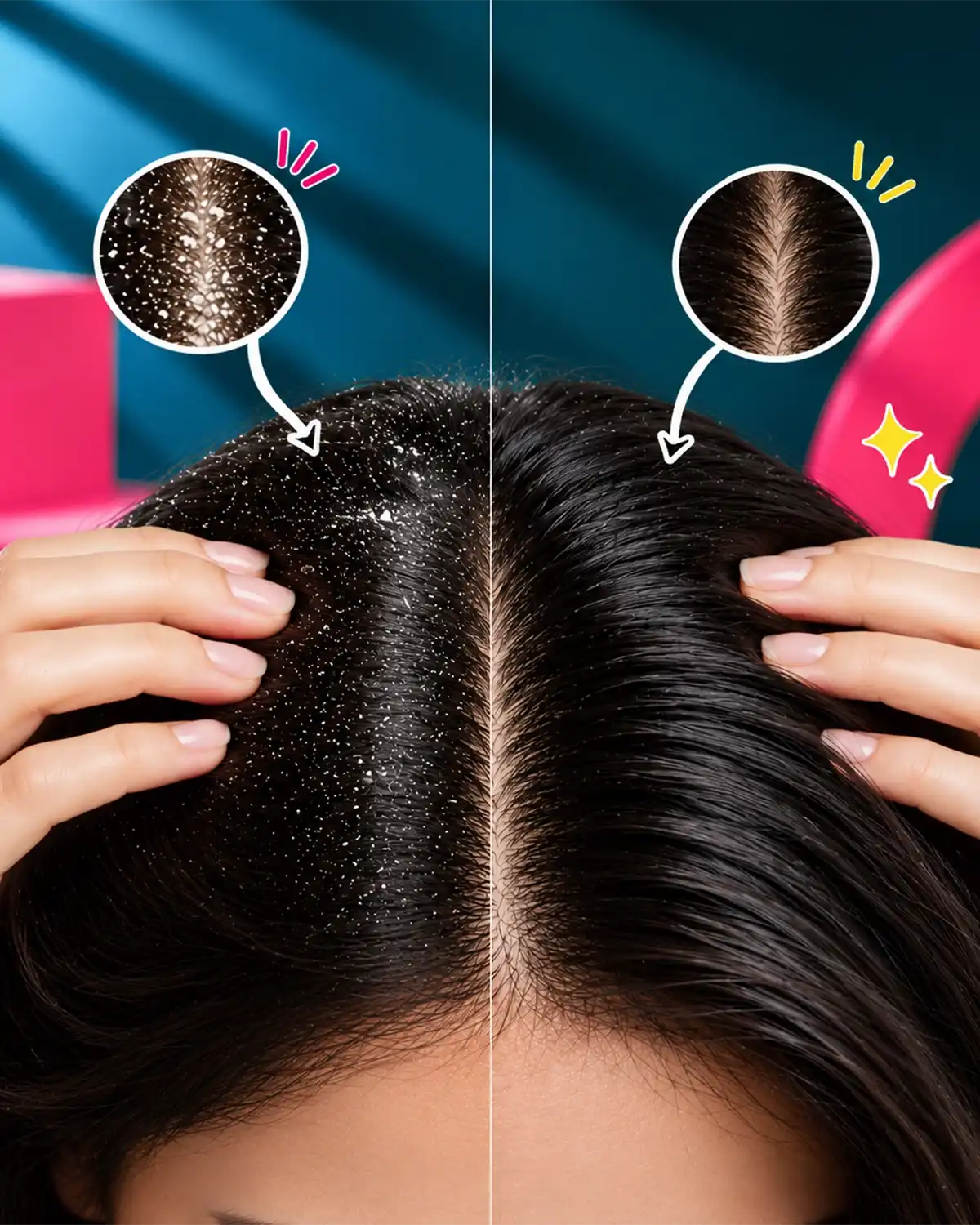
Persistent scalp irritation and dandruff can make hair care frustrating affecting both comfort and self confidence. Learning how to treat itchy scalp and dandruff starts with understanding their underlying causes and choosing the right solutions. In this guide, we’ll explore how to get rid of dandruff at home by medical treatments to help relieve itching, control flakes and reduce its recurrence.
Different Types of Dandruff
Before understanding how to treat itchy scalp and dandruff, you should know first the different types of dandruff and their causes, which include:
1.Dry Dandruff
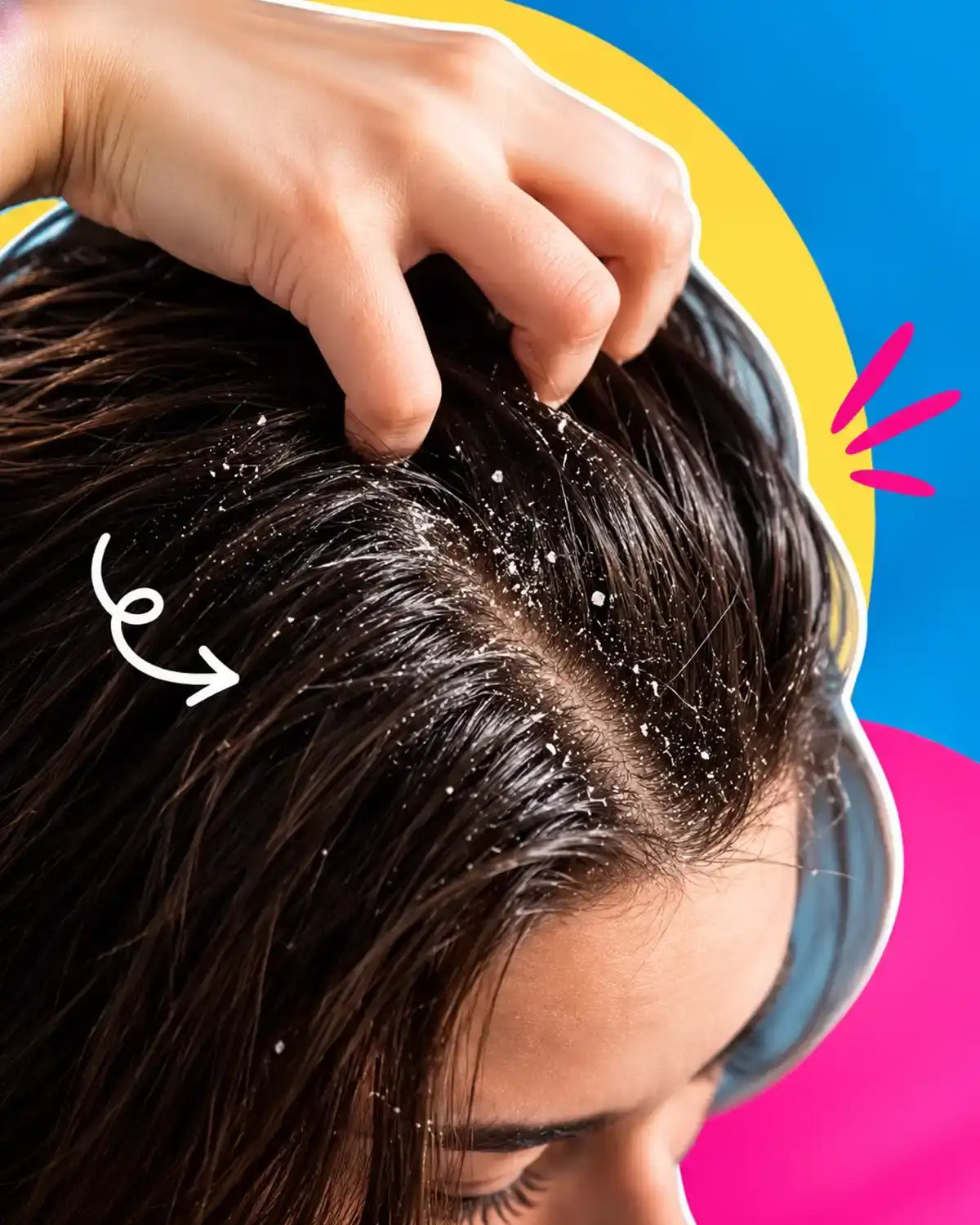
Dry dandruff is one of the most common types. It appears as small, fine, and white fakes that fall easily from hair and scatter onto shoulders. This type is often associated with a dry scalp and lack of moisture.
2.Oily Dandruff
Oily dandruff appears as thick, yellowish, greasy flakes that stick to your hair and scalp, it may cause itching and discomfort. This type is linked to excess sebum production or overgrowth of Malassezia, it may be one of the causes of excessive hair loss.
3.Fungal Dandruff
Fungal dandruff appear as fine white to yellowish flakes that cause scalp irritation and itching. It’s associated with the overgrowth of Malassezia, a yeast that naturally lives on the scalp.
What is The Cause of Dandruff and Itchy Scalp?
To understand how to get rid of dandruff and itchy scalp, it’s important to know what causes this case to choose the right treatment. Common causes include:
-
Dry scalp:
Dry scalp may lead to small dry flakes when skin lacks moisture because of excessive hair washing. -
Malassezia yeast:
Malassezia yeast lives naturally on the scalp, but its overgrowth may contribute to irritation, flaking, and dandruff. -
Inflammatory skin conditions:
Skin conditions such as seborrheic dermatitis and psoriasis can cause scalp redness, itchy scalp, and flakes. -
Allergic reactions:
Allergic reactions to some ingredients in haircare products may cause redness, itching, and flaking. Symptoms may appear after using a new shampoo or hair styling product. -
Contact dermatitis.
Contact dermatitis occurs when the scalp reacts to an irritating substance. It can lead to inflammation, redness, and increased flaking. -
Vitamin deficiency:
Deficiency in some nutrients including vitamin B complex, vitamin D, and Zinc may affect skin. Biotin supplement is essential for a clean and healthy scalp. Medical tests are very important to determine vitamin deficiency. -
Bad habits:
Some mistakes and bad habits may worsen dandruff and scalp itching, including washing hair with very hot water, leaving the scalp damp for prolonged time, and using unsuitable hair care products.
How to Treat Itchy Scalp and Dandruff medically?
Explore how to treat itchy scalp and dandruff in effective ways that can help control flakes, soothe irritation, and maintain scalp health.
1.Anti-Dandruff Shampoo
Using a medicated shampoo for dandruff and itchy scalp like tricho Grow shampoo is very effective in controlling flakes, excess oil, fungal overgrowth, and scalp irritation.
Related articles: How to Choose the Best Anti-Dandruff Shampoo : A Quick Guide
How often do you use medicated shampoos?
For dry scalp you can use medicated shampoos once or twice a week. But it differs for oily scalp, you should use anti dandruff shampoo 3 times a week.
2.Anti-Dandruff Lotion
The effective choice that may help with shampoos when dandruff is accompanied by persistent itching is Tricho Grow anti-dandruff lotion, it’s designed to support scalp cleansing and comfort. Its key features include:
- Includes four active ingredients formulated to help control microorganisms associated with dandruff.
- Leave-in formula that can be left on the scalp without rinsing according to the product instructions.
- Includes soothing ingredients like green tea, chamomile, and rosemary extracts that help soothe scalp and reduce discomfort.
- Moisturizing support by active ingredients like panthenol and vitamin E that help support the scalp protective barrier.
- It may complement medicated shampoo in mild to moderate cases and help maintain results as part of ongoing scalp care routine.
3.Antifungal Treatment
When dandruff is associated with overgrowth of Malassezia yeast. A healthcare professional may recommend topical antifungal treatments to help control yeast growth, reduce flakes, and relieve itching.
4.Treating Underlying Skin Condition
In some cases of Psoriasis, contact dermatitis, and seborrheic dermatitis, the dermatologist may identify appropriate treatment to manage inflammation, itching, and scaling.
5.Combining Treatment with Scalp Care Routine
Medical products work best when supported by gentle scalp care, which include home remedies, maintaining a balanced diet, and addressing any confirmed
nutritional deficiencies to support overall scalp health.
You may also read: hair loss remedies
Role of Nutrition & Supplements in Treating Scalp Irritation
How to treat itchy scalp and dandruff by healthy food and supplements? Nutrition and dietary supplements may not directly treat dandruff, but they help reduce inflammation and support scalp health. Proper nutrition contributes to:
- Strengthening the skin barrier.
- Supporting the immune system.
- Reducing factors that may irritate the scalp.
- Supporting hair health by reducing scalp inflammation that may cause hair loss.
Dietary supplements may be beneficial when the body lacks essential nutrients that support scalp health. However, it’s better to assess your nutritional needs and identify any deficiencies before taking supplements.
Which Food supports a Healthy Scalp?
you should know which food supports a healthy flakes-free scalp to understand how to get rid of dandruff naturally, food that supports a healthy scalp includes:
- Fatty fish rich in omega-3 benefits that regulate inflammation.
- Nuts like almonds and seeds like pumpkin seeds that support healthy scalp.
- Eggs and chicken that supply protein which help support healthy hair growth.
- Leafy green vegetables like spinach and arugula that contain essential vitamins and minerals.
Top Supplements for Itchy Scalp & Dandruff
How to treat itchy scalp and dandruff by supplements? As mentioned earlier, some nutritional supplements may indirectly support your scalp care routine, they include:
Zinc Supplement
Zinc supports skin health and immune function. Zinc supplements may correct a deficiency that could affect scalp health and contribute to skin problems.
B-Complex Vitamins
B-complex supplements including vitamin B6 and Biotin support normal metabolism and healthy skin and hair. They can help address deficiencies that can affect scalp and hair health.
Vitamin D Supplements
Vitamin D supports immune function and skin health. Vitamin D supplements may help support overall skin and scalp health.
Omega-3 Supplements
Omega-3 supplements can help support skin health and play an important role in regulating inflammatory processes.
Weekly Routine to Manage Itchy Scalp & Dandruff
To understand how to treat itchy scalp and dandruff accurately you should follow a weekly routine to manage your case, it includes:
- After choosing the best anti-dandruff shampoo that suits your scalp type, apply it on a clean scalp hydrated scalp.
- For dry scalp apply antidandruff shampoo once or twice per week. In case of oily scalp you can apply up to 3 times per week.
- Moisturize your dry scalp by gentle products as panthenol to help soothe dryness and irritation.
- Use Tricho Grow anti-dandruff lotion for extra hair and scalp care to help manage scalp buildup and excess oil.
- Support your scalp and hair with proper nutrition and supplements when needed, which include biotin, vitamin D, and zinc.
Related articles: Most Effective Male Hair Loss Treatment
Lifestyle and Home Remedies for Dandruff
Alongside medical products, a healthy lifestyle and some home remedies may help relieve mild dandruff and scalp itching. Here are few options to consider:
- Diluted apple cider vinegar may help remove excess oil and build up, you can dilute it with water and never apply it to irritated scalp.
- Aloe vera gel is very helpful in scalp moisturizing, choose a pure formula to minimize the risk of irritation.
- Tea tree oil may help manage dandruff in some cases, but you shouldn’t apply it directly to the scalp to avoid irritation.
Warning: Home remedies may irritate sensitive skin if used incorrectly, so perform a patch test before use.
Common Mistakes to Avoid During Treatment
There are common mistakes you should avoid during treating itchy scalp and dandruff, which include:
1.Scratching the Scalp Too Hard
Avoid scratching your scalp with your fingernails, as this can worsen irritation and damage your skin.
2.Excessive Hair Wash
Overwashing hair, especially with shampoos may dry out the scalp and increase irritation. Adjust your washing frequency to your scalp type.
3.Choosing the Wrong Shampoo
Some people don’t choose the right anti dandruff shampoo which suits their scalp and hair condition. So please choose the right and trusted active ingredients and select a formula that can fulfil your needs.
4.Incorrect Use of Anti-Dandruff Shampoo
Not leaving anti-dandruff shampoo on long enough is considered incorrect use, as it should remain on the scalp for a few minutes to work effectively. Always follow the instructions on the product label.
5.Ignoring the Cause of Flakes
Some people ignore the main cause of dandruff and itchy scalp which affect the treatment plan. Consult a dermatologist if symptoms don’t improve.
6.Applying Too Much Oil to the Scalp
Excessive oil use may cause buildup on the scalp and worsen dandruff in some people, especially those with oily skin.
7.Stopping Treatment Too Early
Dandruff may return after symptoms improve, so follow the recommended treatment plan and maintain a suitable hair care routine.
8.Using Dirty Hair Tools
Clean combs and brushes regularly to remove oil and products residue, and avoid sharing them with others.
How to Prevent Itchy Scalp and Dandruff after Treatment?
After learning how to treat itchy scalp and dandruff, it’s important to understand how to maintain the results and prevent return of flakes by following theses tips:
- Use the right shampoo that suits your scalp type and fulfil your needs.
- Wash dry scalp gently once a week, adjusting frequency as needed.
- Avoid washing your hair with very hot water, as it worsens dryness and increases flakes.
- Stop using irritating products as styling gel and spray,as they may irritate your scalp.
- Clean your hair tools like brushes and combs regularly, and never share with others.
- If you have oily scalp, you should avoid applying heavy oils and products, as excessive oil buildup may worsen your scalp condition.
- Support your scalp health by a balanced diet, or taking essential dietary supplements like biotin or zinc when needed.
When to See a Doctor?
Some cases require medical evaluation to identify the causes of dandruff and determine the right treatment. These cases include:
- Persistent dandruff despite following a suitable scalp care routine.
- Severe persistent scalp itching that may interfere with sleep.
- Spread of dandruff to other new areas such as eye brows.
- Significant scalp irritation, redness, or inflammation.
- Increased hair loss along with persistent dandruff.
- Sores, thick scales, or discharge from the scalp.
- Dandruff returns quickly after improvement.
If you are wondering how to treat itchy scalp and dandruff, Veexia offers the right specialized hair care products that are designed to help control dandruff, soothe scalp irritation and support a healthier hair and scalp.
FAQ..
Why is my scalp so itchy and so much dandruff?
Excessive dandruff and scalp itching may result from Malassezia yeast, seborrheic dermatitis, dry scalp, or irritation from hair products. Consult a dermatologist.
Is it good to remove dandruff by scratching?
Scratching is very harmful as it may worsen irritation, damage the scalp, and increase the risk of infection. You should treat dandruff with suitable shampoo.
What vitamin deficiency is lacking if your scalp itches?
Low levels of vitamin D or certain types of vitamin B may cause itchy scalp and dandruff. But itching doesn’t necessarily indicate a lack of certain vitamins.
Resources..